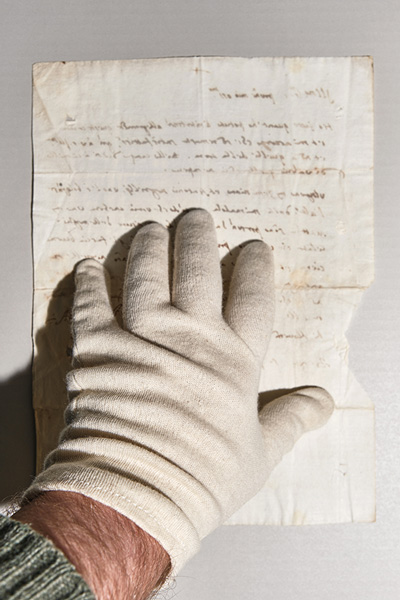
When we think of digital representation as we talk about in our seminar class, we think of a process that is confined by discrete number or symbols to explain and represent a topic. A really easy way to think of digital representation is the idea of a historical context- How can we preserve our historical artifacts and stories? Are there any limitations in doing so? Well let’s talk about it! When we think of some advantages of digital representation in a historical context, we can think of restoring historical artifacts, increasing accessibility, and preserving this historical data. By doing these processes digitally, we can ensure that whether the original historical artifact deteriorates, that we have that important piece of work saved digitally in a place where anyone in the public can find it. When we keep copies digitally, we can also reduce any damage that may come to an original historical artifact from a public audience. We can also restore these documents and finish otherwise unfinished artifacts with the information that we have from other original sources! Well, these are great but how about a modern context? Well, when we use digital forms of storing modern context, we can be sure that efficiency and speed is on our side: all the data stored digitally can be constantly shared and stored without the worry of losing the original context of that document like we might in an analog world. The accuracy of the context is also to be trusted, as we said prior that in an analog world, we may lose some of the original content, but a digital context will preserve prior documents even if used with older software. Okay well this is great but are there any limitations? Yes! Some historical limitations are the loss of the authenticity in the original artifact, as well as technology constraints. We may face several firewalls that bar our access to these artifacts and representing anything digitally raises the risk of losing the true meaning behind the original document. In a modern context, we raise the risk of reliance on technology and misinformation. As we have seen many times in class, AI is not always 100% accurate and it is important to fact check the information given from such a browser!