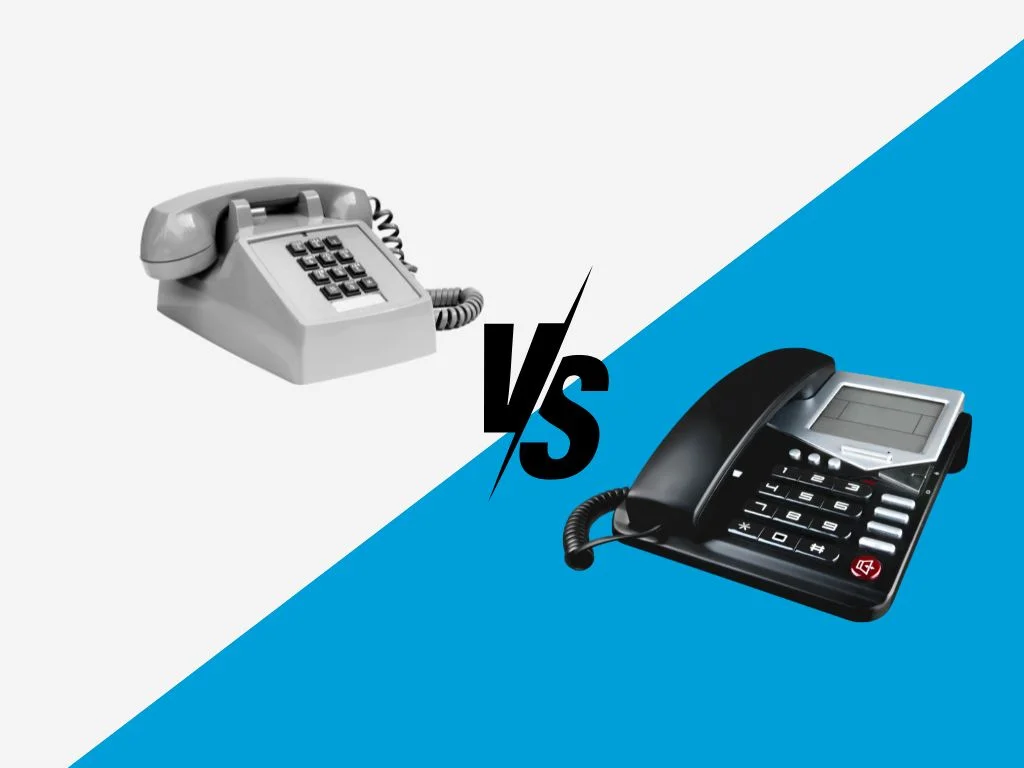
As we have discussed in class, there were several innovations made that converted a lot of our analog signals to digital, improving our connections to others and data records. 2 examples of non-digital objects from the Industrial Age, the typewriter and telephone were both considered analog. The typewriter had no internal binary code, as it is the physical action of the writer by stamped ink onto paper. The telephone became digital much later, but during the Industrial Age, the Bell telephone only had one continuous sound signal (analog). Some modern digital objects are virtual reality headsets and 3D printers. Using 3D printers, we can give our source a code to create what every object desired in a 3-dimensional structure. VR headsets rely on digital processing (binary code) to create a virtual reality for the user, using trackers to allow the user to get a more realistic experience. One nondigital modern object is handwritten notes, as they are analogous and written by each student differently. It is so interesting to think of the digital developments over the years, and how we quickly lose touch with analog concepts as simple as handwritten notes!